
How Does an IUCD Prevent Pregnancy?

An intrauterine contraceptive device (IUCD) prevents pregnancy by stopping sperm from reaching and fertilising an egg. Depending on its type, it either uses copper or hormones to create conditions that make pregnancy extremely unlikely.
Unlike birth control methods that require daily use, an IUCD works continuously inside the uterus, providing long-term pregnancy protection without any action from the user. Because it works around the clock and does not rely on perfect use, an IUCD is more than 99% effective at preventing pregnancy.
Considering an IUCD for Family Planning?
Get expert counselling, safe insertion, and removal at Clinic One.
How Does a Copper T IUCD Prevent Pregnancy?
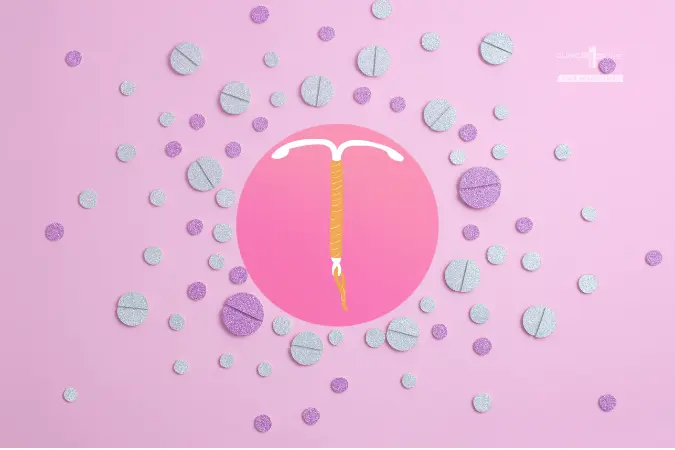
A copper IUCD is a small T-shaped device wrapped with copper wire. Once placed inside the uterus, it releases tiny amounts of copper into the reproductive tract.
Copper affects sperm in several ways. It reduces sperm movement, damages function, and shortens their survival. As a result, they struggle to travel through the uterus and fallopian tubes to reach an egg.
Think of it as creating a toxic environment where sperm cannot function properly. Even if an egg is released during ovulation, sperm usually cannot reach it, and fertilisation does not occur.
How Does a Hormonal IUCD Prevent Pregnancy?
A hormonal IUCD works differently. It releases a low dose of the hormone progestin directly into the uterus. This hormone prevents pregnancy through multiple mechanisms, i.e :
- Thickening the cervical mucus
- Changing the uterine lining
- Suppressing ovulation
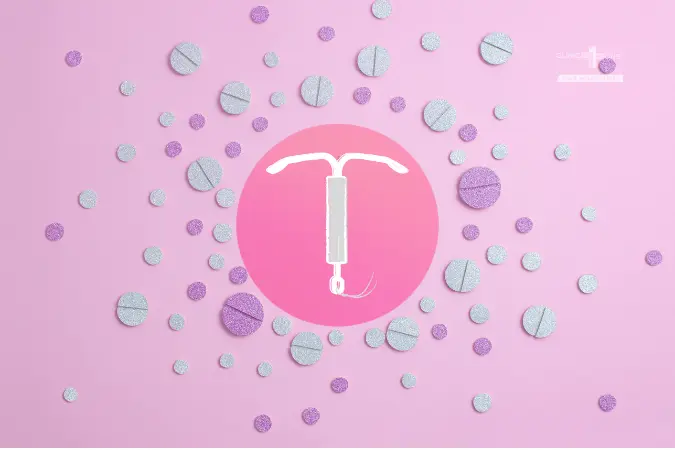
- Thickens Cervical Mucus: The cervix naturally produces mucus. Hormonal IUCDs make this mucus much thicker and stickier. This acts like a barrier at the entrance of the uterus. Sperm find it difficult to pass through, reducing the chances of reaching an egg.
- Changes the Uterine Lining: Hormonal IUCDs thin the lining of the uterus. While this is not the primary way they prevent pregnancy, it creates an environment that is less supportive of pregnancy.
- May Suppress Ovulation: Some hormonal IUCDs can reduce or occasionally stop ovulation in certain women. If no egg is released, fertilisation cannot happen.
Why Are IUCDs So Effective?
IUCDs are among the most effective forms of reversible birth control because they eliminate the risk of user error.
Many contraceptive methods depend on people remembering to take a pill, use a condom correctly, or follow a schedule. An IUCD works continuously once it is inserted.
It does not require daily attention, monthly refills, or actions before intercourse. Women who use an IUCD correctly or under typical-use conditions experience less than one pregnancy in one hundred women during the first year. This consistent protection is one of the main reasons IUCDs have a success rate of over 99%.
Do IUCDs Prevent Fertilisation or Implantation?
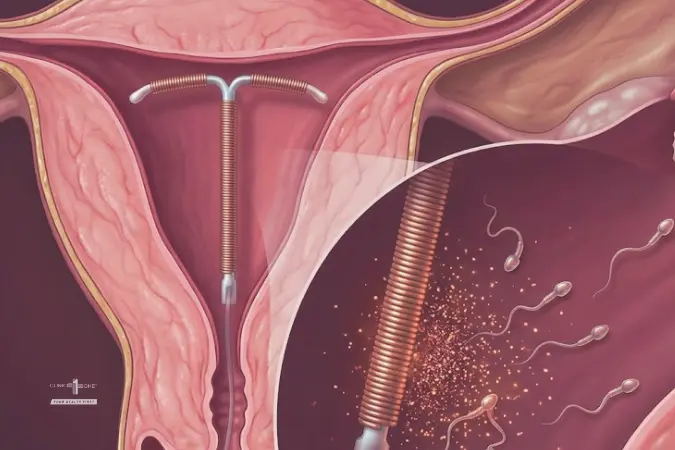
Many people wonder whether an IUCD prevents an embryo from implanting in the uterus. The primary action of both copper and hormonal IUCDs occurs before pregnancy begins.
Their main function is to prevent sperm from reaching and fertilising an egg. In other words, IUCDs primarily prevent fertilisation rather than interrupting an established pregnancy.
Can Someone Still Get Pregnant With an IUCD?
Although IUCDs are highly effective, no birth control method is 100% foolproof. In rare cases, pregnancy can still occur.
The most common reasons for IUCD failure include:
- Device Expulsion: Sometimes the uterus partially or completely pushes this long-acting contraceptive device out of place. This is known as expulsion.
- If the device moves out of position, its ability to prevent pregnancy decreases significantly.
- Incorrect Placement: An IUCD must be inserted correctly by a trained healthcare provider. If placement is not ideal, the device may not provide full protection.
- Using the IUCD Beyond Its Effective Lifespan: Each of these contraceptive devices has a recommended duration of use. If it remains in place after its approved timeframe, effectiveness may decline.
- Pregnancy Before the IUCD Becomes Effective: A copper T works immediately after insertion, whereas hormonal intrauterine devices may require a short period before they provide full contraceptive protection. If intercourse occurs during this window without backup contraception, pregnancy can happen.
What Increases the Risk of IUCD Failure?
Although uncommon, the following factors may increase the risk of pregnancy while using an IUCD:
- Failure to attend follow-up appointments when recommended
- Not checking for IUCD strings if advised by a healthcare provider
- Keeping an expired IUCD beyond its recommended duration
- Undetected displacement of the device
We suggest you get follow-up care to ensure the IUCD remains in the correct position and continues to provide effective protection.
The Bottom Line
An IUCD prevents pregnancy by stopping sperm from reaching and fertilising an egg. Copper IUCDs interfere with sperm function, while hormonal IUCDs thicken cervical mucus, alter the uterine environment, and may reduce ovulation. These combined effects make IUCDs more than 99% effective at preventing pregnancy.
Although IUCD failure is rare, pregnancy can occur if the device is expelled, displaced, inserted incorrectly, or used beyond its approved lifespan. For most women, however, an IUCD remains one of the safest, most effective, and longest-lasting contraceptive options available.
IUCD Services in Kathmandu at Clinic One
At Clinic One, we provide professional IUCD insertion, removal, and family planning consultation services, including both Copper T and hormonal IUCD options.
Our gynecologists have years of experience in family planning counselling. They can help you make a decision that aligns with your health needs and future pregnancy plans.
Frequently Asked Questions
What are the major drawbacks of IUCDs?
Like any contraceptive method, IUCDs may have some disadvantages. Some women may experience cramping, irregular bleeding, spotting, or discomfort after insertion.
Copper T IUCDs may cause heavier menstrual bleeding in some women, while hormonal IUCDs may cause changes in menstrual patterns. Most side effects improve over time, but a gynecologist can help determine whether an IUCD is the right family planning option for you.
What causes an IUCD to fail?
IUCDs are among the most effective contraceptive methods available, but no method is 100% effective.
Pregnancy can occur if the IUCD moves out of position, is partially expelled from the uterus, or reaches the end of its recommended usage period without replacement. Regular follow-up and medical evaluation help ensure the device remains effective.
What are signs of pregnancy with IUCD?
Although pregnancy with an IUCD is uncommon, possible signs include a missed period, nausea, breast tenderness, unusual fatigue, or a positive pregnancy test.
If you suspect pregnancy while using an IUCD, seek medical attention for evaluation and guidance.
Which is safer, IUD or implant?
Both IUCDs and contraceptive implants are highly effective and safe family planning methods. The most suitable option depends on factors such as medical history, lifestyle, reproductive goals, and personal preference.
A consultation with a gynecologist can help determine which contraceptive method best meets your needs.
How painful is IUD insertion?
Most women experience mild to moderate cramping during IUCD insertion. The level of discomfort varies from person to person. The procedure is usually brief, and many women can return to normal activities shortly afterwards. Your gynecologist will explain what to expect and help make the procedure as comfortable as possible.

![Best Cardioloigist in Kathmandu, Nepal | Dr. Dipak Raj Baral [NMC No. 5626]](https://clinicone.com.np/wp-content/uploads/2026/09/Best-cardiologist-in-kathmandu-Nepal.webp "Best Cardioloigist in Kathmandu, Nepal | Dr. Dipak Raj Baral [NMC No. 5626]")