Best Time for 3D or 4D Ultrasound in Pregnancy

Last updated on January 18th, 2026 at 03:55 pm
Many parents wonder when to schedule a 3D or 4D ultrasound. Scan too early, and the images may be unclear or incomplete. Wait too long, and your baby may have less space to move, making it hard to capture detailed features.
This confusion can cause disappointment and anxiety. You might get blurry pictures, miss crucial growth details, or lose the chance to see your baby’s movements clearly. It’s frustrating when you want both accurate results and memorable moments.
What Is the Best Time for a 3D or 4D Ultrasound?
The best time to get a 3D or 4D ultrasound is generally between 26 and 32 weeks of pregnancy. Earlier than 26 weeks, your baby is smaller and less developed, which can make images less detailed. After 32 weeks, the baby may be larger and more cramped, making it harder to get clear views of the face and movements.
That said, some parents also choose slightly earlier or later scans depending on growth checks or personal preferences.
Why Are 26 and 32 Weeks of Pregnancy Best for 3D and 4D Ultrasound?
Weeks 26 to 32 are the best time for 3D and 4D ultrasound because during this window, your baby has developed clear facial features, enough fat under the skin for good detail, and still has space to move freely inside the womb.
In simpler terms, for parents who want the clearest images and lively movements, scheduling within this window usually gives the best results. It increases the chances of sharp images, clear facial features, and live movements, giving you both medical clarity and unforgettable memories.
Other Pregnancy Stages When You Can Do a 3D or 4D Ultrasound
While 26 to 32 weeks is ideal, 3D and 4D ultrasounds can still be done at other stages of gestation, each week of pregnancy offering different insights:
Earlier Second Trimester – 13 to 18 Weeks
At this stage, your baby is still small, but basic shapes and movements can be seen. It’s useful for early bonding and checking basic growth, though facial details may not be fully visible.
Late Second Trimester – 19 to 26 Weeks
Your baby is bigger and more developed. You can start seeing clearer facial features, limb movements, and body proportions. This stage is sometimes used for early keepsake images.
Third Trimester – 33 to 40 Weeks
In late pregnancy, your baby is larger and may be pressed into a smaller space. 3D and 4D ultrasounds are still possible, but some angles might be hard to capture. These scans are often chosen for final growth checks or emotional viewing, rather than detailed images.
Even outside the “ideal” window, ultrasounds can provide useful medical information and cherished memories
Is 3D or 4D Ultrasound Safe?
Yes, 3D and 4D ultrasound are generally considered safe when they’re performed for medical reasons by trained professionals, just like standard 2D ultrasound. Even the American College of Obstetricians and Gynecologists (ACOG) states: “There have been no reports of documented adverse fetal effects for diagnostic ultrasonography procedures, including duplex Doppler imaging.”
Both are considered safe because:
- They use sound waves, not radiation (unlike X-rays or CT scans).
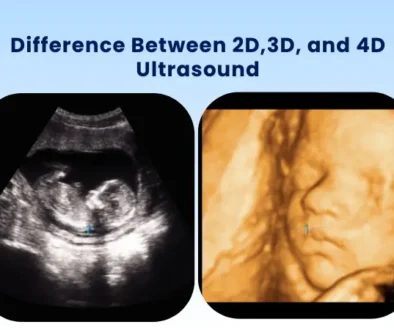
- 3D and 4D ultrasound use the same technology as 2D ultrasound. The difference between them is how the images are processed.
- 3D: a still, three-dimensional image
- 4D: real-time 3D (essentially a video)
However, there are Important cautions to follow:
- Non-medical “keepsake” ultrasounds (done only for photos/videos, often for long periods) are not recommended by medical organisations like:
- The FDA
- The American College of Obstetricians and Gynecologists (ACOG)
This is mainly because:
- There’s no medical benefit
- Sessions may last longer than necessary
- They may be done by people without medical training
At Clinic One, all pregnancy ultrasounds are performed or supervised by qualified radiologists, including Dr Abhishesh Manandhar, ensuring every scan follows international safety standards and medical guidelines.
Our radiologist holds an MD in Radiology and has worked in ultrasound departments at multiple diagnostic centres since 2016. Additional professional training includes obstetric, fetal, neonatal, and congenital anomaly ultrasound, along with advanced radiology education. The radiologist is also a member of the Nepal Radiologist Association.
Factors Affecting 3D and 4D Ultrasound Scan Quality
The clarity and detail of a 3D or 4D ultrasound depend on several factors, such as the position of the baby, the amniotic fluid, movements, and scan timings.
Baby’s Position: Your baby’s position inside the womb is one of the most important factors. If the baby is facing the placenta, has its back to the probe, or is curled tightly, key facial features may be hidden. Sometimes, a gentle adjustment in maternal position or a follow-up scan can resolve this issue.
Amount of Amniotic Fluid: Amniotic fluid acts as a natural medium for ultrasound waves. Adequate fluid around the baby allows the sound waves to travel smoothly and create sharper, more defined images. Low fluid levels may make it harder to capture clear facial or body details, especially in later pregnancy.
Mother’s Body Type: Every body is different, and factors such as abdominal tissue thickness or previous surgeries can influence how sound waves pass through. While technology today is highly advanced, sometimes body composition can slightly reduce image sharpness.
Baby’s Movement: A lively, moving baby is wonderful for 4D scans because you can see yawns, stretches, and smiles in real time. However, excessive movement can make it challenging to get perfect still shots for 3D images. Timing the scan when the baby is likely to be awake but calm can help.
Scan Timing: Timing is crucial. Scans done too early may show only basic outlines, while scans done too late may have limited space for the baby to move, making some angles hard to capture. The 26 to 32 week window remains ideal because it balances clarity, detail, and baby activity.
Other Minor Factors: Even lighting, probe quality, and the technician’s experience play a role. Skilled radiologists and sonographers know how to adjust angles, settings, and timing to get the most accurate and beautiful images possible.
Availability of 3D and 4D Ultrasound in Kathmandu
3D and 4D ultrasounds are widely available in Kathmandu, but not every clinic can deliver consistent, clear results. Factors like outdated equipment, inexperienced technicians, or scheduling challenges can make scans frustrating and less reliable.
Clinic One solves these problems by offering advanced ultrasound machines and experienced radiologists like Dr Abhishesh Manandhar, who has almost 10 years of experience in diagnostic and pregnancy ultrasound and knows how to capture the clearest images at any stage of pregnancy. Whether it’s your first scan or a follow-up, you’ll get precise results without unnecessary repeats.
Availability is also a key advantage. At Clinic One, appointments are flexible, and scans are performed promptly, reducing waiting times and stress. You can schedule 2D, 3D, or 4D ultrasounds according to your pregnancy stage or any other problems, at your personal convenience.
By combining expertise, technology, and accessibility, Clinic One ensures every ultrasound is accurate, comfortable, and tailored to your needs. This makes it easier for parents in Kathmandu to get reliable medical insights and create memorable keepsakes at the same time.
Frequently Asked Questions
Which month is best for a 3D scan?
The ideal window for a 3D ultrasound is generally between 26 and 32 weeks of pregnancy. During this period, your baby has enough development to show clear facial features, while still having room to move inside the womb. Some parents choose slightly earlier or later scans for growth monitoring or personal reasons, but the 26 to 32 week range consistently produces the sharpest and most meaningful images.
Is a 3D or 4D ultrasound better?
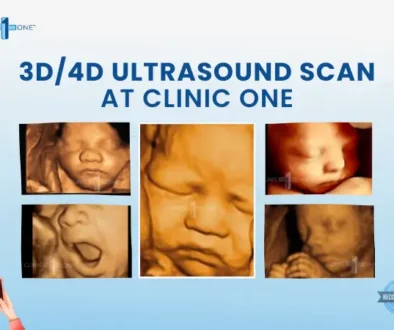
Both 3D and 4D ultrasounds serve different purposes. A 3D ultrasound captures detailed still images of your baby’s face and body, making it ideal for keepsake photos and observing features clearly. A 4D ultrasound adds the element of time, showing real-time movement such as kicks, stretches, or yawns. Parents often choose 4D if they want to watch live activity, while 3D is preferred when clear photos are the main goal.
What does a 4D scan cost?
The cost of a 4D ultrasound in Kathmandu varies between clinics depending on equipment, expertise, and services offered. Prices differ based on your preferences and needs, and Clinic One is one of the trusted options providing high-quality scans at competitive rates.
Is a 4D ultrasound expensive?
Compared to 2D or even some 3D scans, 4D ultrasounds are relatively more advanced, which can make them seem expensive at first. However, the value comes from the detailed images, real-time movement capture, and expert handling, all of which reduce the need for repeat scans.
Who provides the best 4D ultrasound in Kathmandu?
Many clinics in Kathmandu offer 3D and 4D ultrasounds, and the best choice depends on your needs, budget, and preferences. Clinic One is also one of the trusted options, known for skilled staff, modern equipment, reliable results, and affordable prices.