
Gen Z Protest in Nepal and Its Impact on Mental Health
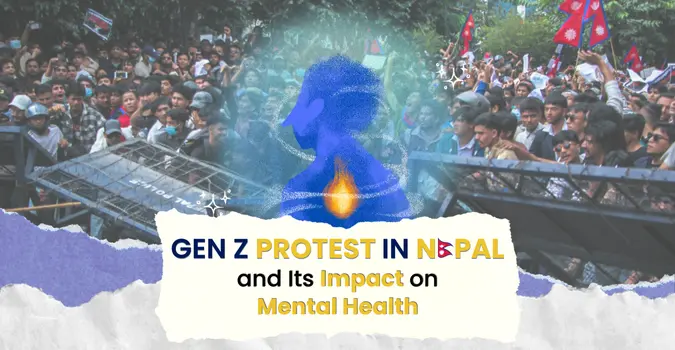
In recent weeks, Nepal has witnessed large-scale protests led primarily by Gen Z youth. What began as an expression of frustration and demand for change quickly grew into a nationwide movement, with gatherings filling the streets of Kathmandu and other cities. Unfortunately, these events have also been marked by tragic losses-lives cut short, properties damaged, and communities left unsettled.
While the physical destruction is visible and often reported in headlines, the invisible wounds-those affecting the mind and emotions-can be just as devastating. Fear, uncertainty, grief, and anger ripple through families, neighbourhoods, and entire communities. For many, especially the youth at the heart of these protests, the emotional toll may last far beyond the immediate events.
At such a time, it becomes important not only to discuss social and political consequences but also to acknowledge the mental health challenges people may face. Psychological well-being is a crucial part of recovery, and recognising this need can help individuals and communities begin to heal together.
Qualified mental health support, such as counselling or therapy, is available through various public and private providers across Nepal.
Call 01-5400400 / 9863393960
Understanding the Gen Z Protest in Nepal
Gen Z in Nepal represents a generation that has grown up with greater access to education, technology, and global perspectives. They are more digitally connected, aware of social issues, and often more vocal about their concerns compared to earlier generations. For many of them, protesting became a way to express collective frustration, raise their voices against corruption, and demand a better future.
The demonstrations drew thousands of young people into the streets, united by a shared sense of urgency and desire for change. However, like many movements around the world, what began with energy and peaceful intent soon became marked by tension. Clashes, destruction of property, and tragic incidents of loss left behind a deep sense of sorrow.
It is important to note that protests, while a form of expression, also carry emotional weight. For the youth directly involved, there is pride in standing up for their beliefs-but also fear, exhaustion, and vulnerability when faced with conflict. For families watching their children participate, the protests bring worry, sleepless nights, and an undercurrent of anxiety about safety and the future.
Hence, understanding the Gen Z protest is not only about recognising the social message but also about acknowledging the personal and psychological impact it has on individuals and society at large. Thus, the visible unrest is only one part of the story; the unseen emotional struggles are equally real and deserving of attention.
The Role of Invaders in the Protest
Like many large movements around the world, the Gen Z protest in Nepal was not shaped only by those who came with genuine intentions. Alongside the young people who marched peacefully, there were also individuals-often referred to as invaders-who took advantage of the situation. Their actions included acts of violence, vandalism, and looting, which shifted attention away from the original purpose of the protest.
For the genuine protesters, this was disheartening. Many felt their voices were drowned out, their cause misrepresented, and their peaceful efforts overshadowed by the chaos created by others. Such experiences can lead to feelings of anger, frustration, and helplessness, all of which can take a toll on mental health.
For the general public, the presence of invaders made it harder to distinguish between those seeking meaningful change and those spreading disorder. This confusion added to fear and insecurity, leaving people more anxious about stepping outside, sending children to school, or even going to work.
At the community level, invaders contributed to mistrust. Neighbours looked at each other with suspicion, and the shared pain of destruction created invisible walls between groups. When fear and doubt spread, it becomes more difficult for people to come together and heal.
This dynamic shows that the psychological damage caused by unrest is not only about the protests themselves but also about how opportunistic actions can deepen trauma and erode trust within society.
The Emotional and Psychological Toll of Protests
Protests are more than just gatherings in the streets-they are emotionally charged events that can leave lasting impressions on the human mind. For those directly involved, the stress of chanting in large crowds, facing security forces, or witnessing chaos can trigger intense anxiety. Even individuals who never joined the protests but lived nearby or watched events unfold on television and social media are not immune to the psychological impact.
The immediate emotional responses often include fear, worry, and confusion. On TikTok, we saw people posting videos where they said they had difficulty sleeping. Similarly, many people reported sleepless nights, replaying the sounds of shouting or clashes in their minds. For some, especially those who lost loved ones or saw friends injured, the trauma can run much deeper. They may carry memories of those moments long after the streets have grown quiet.
Over time, repeated exposure to unrest can lead to more serious conditions. Constant uncertainty may create feelings of hopelessness, sadness, or even depression. Others may experience heightened vigilance, where ordinary sounds-like loud vehicles, can suddenly trigger fear, a common sign of post-traumatic stress.
Children and adolescents are particularly sensitive to the atmosphere of fear and instability. Even if they do not fully understand the reasons for the protest, they sense the worry in their families and the tension in their communities. Without reassurance and proper support, these impressions can affect their sense of security and emotional growth.
Even working professionals may have constant fear of losing jobs, as it affects local businesses too. Many stores, such as Bhat Bhateni, were burned and looted, which provided thousands of people with jobs. People who lost their jobs might get a heavy emotional toll on their hearts and souls.
In this way, protests leave behind not only visible scars on streets and buildings but also invisible wounds within minds and hearts. Recognising these unseen struggles is the first step toward meaningful healing.
If you’re struggling with mental health, consider speaking with a mental health professional or visiting a local counselling centre.
If you are experiencing emotional stress, fear, or anxiety, reach out for counselling support by calling 01-5400400 or 9863393960.
Why Gen Z Is Especially Vulnerable?
Among all groups affected, Gen Z, the very youth who have been at the heart of the movement-are particularly vulnerable to the psychological consequences of the protests. This generation is at a transitional stage in life, where identity, stability, and hope for the future are still being formed. When such uncertainty and unrest enter their daily lives, the emotional impact can be profound.
One of the strongest factors influencing Gen Z is social media exposure. Unlike older generations, they are constantly connected to digital platforms where images, videos, and live streams of the protests circulate without pause. This unfiltered access to disturbing visuals can intensify feelings of fear, anger, or helplessness, making it difficult to disconnect or find emotional rest.
Peer influence also plays a significant role. Young people do not experience these events in isolation-they share them with friends, both offline and online. When one group member suffers trauma, it often spreads across the circle, amplifying the collective stress. For some, seeing peers arrested, injured, or misunderstood can deepen the sense of injustice and create lasting emotional scars.
At the same time, academic and career uncertainties weigh heavily on this generation. Many students worry about how instability might affect their education or job prospects, while young professionals may feel that their future is being jeopardised. The protests, when coupled with these broader pressures, can magnify the feeling that life is unpredictable and beyond their control.
These factors combine to make Gen Z not only the most visible participants in the protests but also among the most emotionally exposed. Addressing their mental health needs with sensitivity and support is vital, not just for their well-being but for the well-being of the society they are shaping.
Effects on Families and Communities
The psychological impact of protests does not stop with those in the streets-it extends deeply into homes and neighbourhoods. Families, friends, and entire communities feel the weight of uncertainty and fear, even if they are not directly involved.
For parents, the anxiety of having children participate in the protests can be overwhelming. Many spend sleepless nights worrying about whether their sons and daughters will return home safely. The constant fear of phone calls delivering bad news leaves parents emotionally exhausted and hypervigilant. This prolonged state of stress can strain not only mental health but also physical well-being.
Children, even very young ones, are sensitive to the tension around them. They may not fully understand the reasons behind the unrest, but they absorb the fear in their homes, the worried tones of their parents, and the unusual atmosphere in their neighbourhoods. Such early exposure to stress can influence how children perceive safety and stability in the world around them.
At the community level, mistrust and division often grow in the aftermath of unrest. When property is destroyed or when invaders are involved, neighbours may begin to view each other with suspicion. Social bonds that once provided a sense of belonging can weaken, leaving people feeling more isolated. In some areas, grief is shared collectively, creating a heavy emotional climate where everyone carries a piece of the burden.
These ripple effects remind us that mental health challenges are not confined to protesters alone. They are woven into the broader fabric of society, affecting anyone connected to the events-whether as participants, witnesses, or loved ones. Healing, therefore, must happen not only at the individual level but also within families and communities as a whole.
The Role of Psychological Help in Recovery
In the aftermath of unrest, many people focus on rebuilding what was lost materially-homes, shops, and infrastructure. Yet, the invisible wounds of the mind and heart are just as important to address. This is where psychological support plays a vital role in recovery.
For individuals who have experienced trauma, counselling and therapy provide a safe space to process emotions that may feel overwhelming. Talking with a trained professional can help untangle fear, grief, and confusion, and gradually replace them with resilience and hope. Even a few sessions of psychological first aid can make a significant difference in how someone copes with stress.
Peer support groups are equally powerful. When people come together to share their stories, they often realise they are not alone in their struggles. This collective healing creates solidarity, helping participants rebuild a sense of community that unrest may have shaken.
Practical coping strategies also matter in daily life. These may include:
- Limiting exposure to disturbing news and social media.
- Practising mindfulness, breathing exercises, or grounding techniques.
- Staying connected with family and friends for emotional safety.
- Maintaining small daily routines to restore a sense of normalcy.
Equally important is breaking the stigma around mental health in Nepal. Many people still hesitate to seek help, fearing judgment or misunderstanding. Yet, acknowledging emotional pain and reaching out for support should be seen as a sign of strength, not weakness.
By making psychological help accessible, acceptable, and encouraged, individuals and communities can begin to heal, not only from the immediate events but also from the deeper sense of fear and uncertainty that lingers afterwards.
Mental Support is available through NGOs, hospitals, school counsellors, and private therapists working across the country.
Call 01-5400400 / 9863393960 or email us at info@clinicone.com.np to connect with counsellors.
How Nepal Can Support Mental Health During Crisis?
Recovering from unrest requires more than individual resilience-it calls for collective responsibility. Nepal, as a society, can take important steps to safeguard mental health during times of crisis.
Schools and universities can play a crucial role by offering counselling services to students. Many young people feel lost or overwhelmed, and having access to a counsellor within their academic environment can provide timely relief and guidance. Teachers trained to recognise signs of distress can also help by offering emotional support and creating safe spaces for discussion.
Workplaces, too, can contribute by arranging wellness sessions, providing mental health days, or giving employees access to professional counselling. For many adults balancing work and family, such initiatives can reduce stress and prevent burnout.
On a broader scale, public awareness campaigns are needed to normalise conversations about mental health. Simple messages like “It’s okay to seek help” or “You are not alone” can encourage people to come forward without fear of stigma. Radio, television, and social media channels widely used across Nepal can amplify these messages and reach diverse audiences.
Clinics and hospitals: All clinics and hospitals must ensure that psychological services are affordable and accessible, like Clinic One. This includes both urban centres like Kathmandu and rural areas where mental health resources are scarce. Partnering with NGOs and community health workers can help extend these services to those most in need.
Finally, government and civil society organisations have a responsibility to respond with compassion during unrest. Alongside physical aid, providing psychological first aid should be part of crisis response. Community healing programs, memorial services, and safe dialogue platforms can help restore trust and unity among people.
By taking these steps, Nepal can not only rebuild after crises but also foster a healthier, more resilient society-one that values mental well-being as much as physical safety.
Conclusion
The recent Gen Z protests in Nepal have shown both the courage of young people raising their voices and the heavy cost that unrest can bring. Lives were lost, property was destroyed, and an atmosphere of fear and uncertainty touched families across the nation. While rebuilding homes, shops, and streets is important, it is equally vital to recognise the invisible wounds carried in people’s hearts and minds.
Protests do not end when the crowds disperse; their echoes linger in the form of anxiety, sleeplessness, grief, and mistrust. For Gen Z, who stood at the centre of this movement, the emotional impact may be especially deep, shaped by social media exposure, peer influence, and concerns about their future. Families, too, carry the weight of worry, and entire communities feel the strain of division and loss.
In such times, psychological support is not a luxury-it is a necessity. Counselling, therapy, community dialogue, and emotional care can help individuals find strength, rebuild trust, and move forward. Just as buildings must be repaired after destruction, so too must people’s mental well-being be nurtured after turmoil or disturbance.
For those seeking professional guidance, facilities like Clinic One give access to trained mental health services to support recovery.
Finally, Nepal has always shown resilience in times of hardship. By extending that resilience to mental health-by supporting one another with empathy and encouraging professional care where needed-the country can heal not only physically but emotionally. In doing so, it can emerge stronger, more united, and more compassionate.

![Best Cardioloigist in Kathmandu, Nepal | Dr. Dipak Raj Baral [NMC No. 5626]](https://clinicone.com.np/wp-content/uploads/2026/09/Best-cardiologist-in-kathmandu-Nepal.webp "Best Cardioloigist in Kathmandu, Nepal | Dr. Dipak Raj Baral [NMC No. 5626]")